
The gap between hearing that you need cataract surgery and the morning you actually show up at the surgical center is a great opportunity to plan for your best vision afterward. During those weeks, you’ll have measurements taken, lens choices to make, medication questions to sort out, and a home to prepare for a few days of rest.
None of it is difficult, but the patients who feel most confident on surgery day are those who take the preparation period as seriously as the procedure itself. Keep reading to learn more about preparing for your cataract surgery from start to finish.
What Cataract Surgery Actually Involves
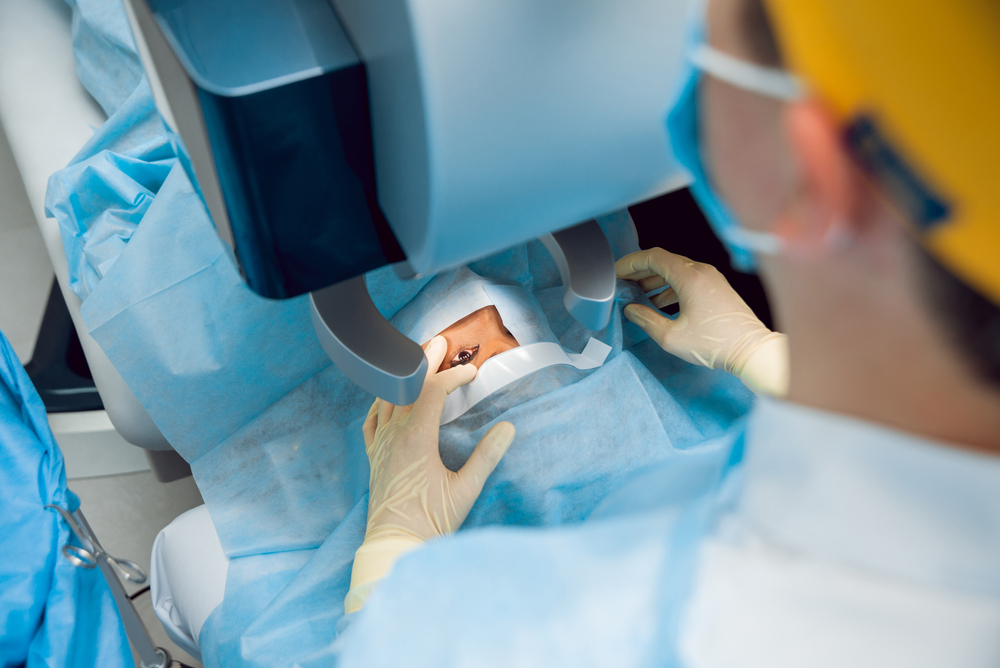
Cataract surgery replaces your eye’s clouded natural lens with an artificial intraocular lens (IOL). The procedure is performed on an outpatient basis, usually takes 15 to 30 minutes per eye, and you remain awake but relaxed throughout. At Clewner & Kelly Eye Center, our eye doctors use laser cataract surgery technology to create precise incisions, map the eye’s surface, and break apart the cataract before the new lens is placed.
Only one eye is operated on at a time, so if both eyes require treatment, you’ll typically return one to two weeks later for the second. Patients who have already decided that the time for cataract surgery has arrived often feel a mix of relief and nerves, which is a normal response before any eye surgery. However, knowing what happens during the procedure makes preparation easier.
Your Pre-Surgery Consultation and Measurements
Before your surgery date, you’ll have a detailed eye exam that goes well beyond a standard vision check. The measurements taken during this appointment determine which IOL will be implanted in your eye, so precision matters. Expect dilation drops, corneal topography, axial length measurements using biometry, and a review of your general eye health.
This appointment is also where you and your surgeon finalize your lens choice. Your surgeon will discuss your current prescription, how you use your eyes day to day, whether you have astigmatism, and the level of glasses independence you want after surgery. Ask every question on your mind. The details you share at this visit shape the plan that carries you through the rest of the process.
Choosing the Right Intraocular Lens (IOL)
The IOL decision is one of the most personal parts of preparing for your cataract surgery. A standard monofocal lens gives clear vision at one distance, usually far, which means you’ll still need reading glasses for close work. Premium intraocular lenses such as toric IOLs for astigmatism, multifocal lenses, and extended depth of focus (EDOF) lenses can reduce or eliminate your need for glasses at multiple distances.
The right choice depends on how you live. If you read for hours, work at a computer, drive at night, or play golf, those activities factor into the recommendation. Premium IOLs carry an out-of-pocket cost beyond what insurance covers, so your consultation is the time to compare options side by side.
Medications, Eye Drops, and Medical History

Your surgeon needs a full picture of your health before surgery. Bring a list of every medication you take, including supplements and over-the-counter drugs. Certain blood thinners, alpha blockers such as tamsulosin, and some herbal supplements may need to be paused or adjusted under your prescribing physician’s guidance.
A few days before surgery, you’ll begin using prescription eye drops. These usually include an antibiotic drop to prevent infection and an anti-inflammatory drop to reduce swelling. Pick up your prescriptions early so you are not scrambling the day before. Your surgical team will give you a schedule showing which drops to use, how often, and for how long, and the same careful approach continues with the eye drops you use after cataract surgery.
The Week Before Surgery: What to Do and What to Avoid
The final week is mostly about logistics. You’ll need a ride to and from the surgical center, as you won’t be able to drive after the procedure. Arrange it early, and consider asking the same person to stay with you for the first 24 hours. If you live alone, ask a friend or family member to check in that evening.
Skip eye makeup, creams, and lotions on your face starting the night before surgery. Follow the fasting instructions your team provides, typically no food or drink after midnight, though water may be permitted with medications. Wear loose, comfortable clothing you can put on and take off easily, and leave jewelry and contact lenses at home.
The Day of Surgery: What to Expect
Plan to arrive about an hour before your scheduled time. You’ll check in, change into a surgical gown, and a nurse will place numbing drops in the eye being treated, along with dilating drops to enlarge your pupil. A mild sedative is commonly given to help you relax while you remain awake and able to follow simple instructions.
The procedure itself is quick. You’ll see light and movement, but not the details of what is happening. Afterward, you’ll rest briefly in recovery while the staff confirms you’re stable, and then your ride will take you home. Most patients notice clearer vision within hours, though full clarity takes a few days as the eye settles.
Preparing Your Home for Recovery

A little planning at home pays off once you get back from surgery. Set up a comfortable chair or bed where you can rest with your head slightly elevated. Stock the fridge with easy meals and snacks so you are not standing in the kitchen for long on day one. Fill any prescriptions early, including pain relievers if your surgeon has recommended them.
Plan to avoid heavy lifting, bending at the waist, and strenuous exercise for about a week. Keep water, soap, and shampoo out of the operated eye for the first several days. A clean pair of sunglasses waiting by the door makes the ride home more comfortable, since light sensitivity is common in the first 24 hours.
Ready to Restore Your Vision with Cataract Surgery?
Preparing for your cataract surgery can make a significant difference between feeling anxious and feeling ready. The weeks leading up to your procedure give you time to complete the measurements, sort out your medications, and set up a restful space at home. Each step you take before the day of surgery makes the recovery smoother and the outcome more predictable.
Ready to take the next step toward clearer vision? Schedule an appointment at Clewner & Kelly Eye Center in Boca Raton, FL.