
A South Florida afternoon can be hard on anyone’s eyes. You step out of a cold, air-conditioned house into humid heat, drive with the windshield vents blowing, spend an hour by the pool, then come home and sit under a ceiling fan.
By evening, your eyes feel gritty, tired, and irritated. Warmer months bring a specific mix of conditions that can make dry eye syndrome harder to manage, and small adjustments can make a noticeable difference.
Keep reading to learn more about practical ways to manage dry eye during the warmer months in Boca Raton.
Why Warmer Weather Makes Dry Eye Worse
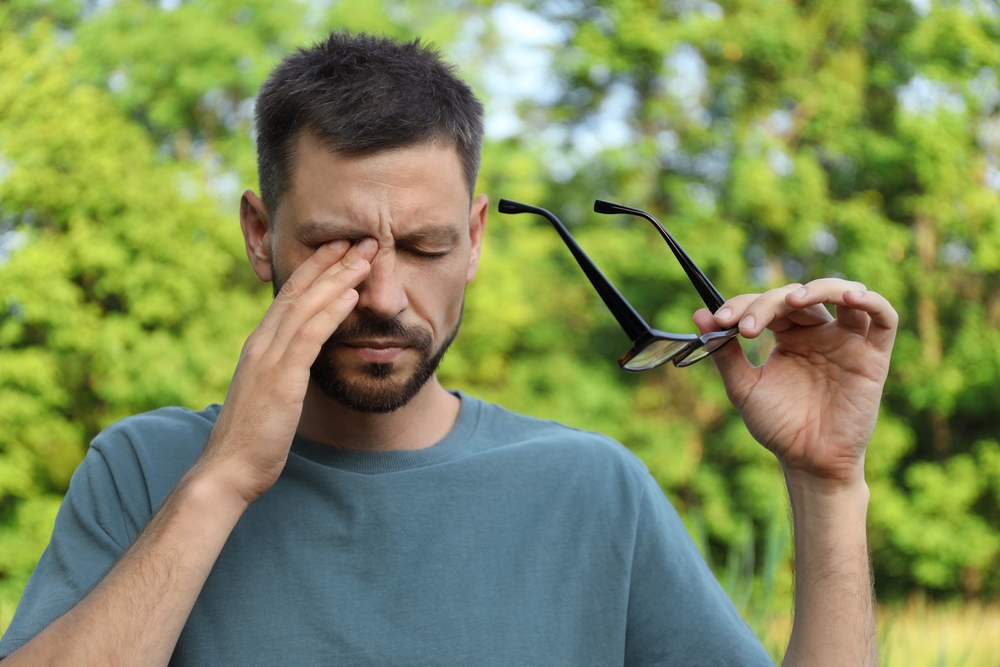
The tear film is the thin layer of moisture that coats the surface of your eyes, keeping them lubricated, comfortable, and clear. Heat, sun, and wind all accelerate the evaporation of the tear film from the surface of your eyes, leading to dry eye.
Humidity sounds like it would help, but the swings between muggy outdoor air and dry, cooled indoor air actually stress the eyes more than either extreme alone. UV exposure can irritate the cornea and eyelid margins, and stronger summer breezes carry more dust and allergens into the eyes.
In Boca Raton and neighboring communities like Delray Beach and Deerfield Beach, the combination of ocean wind, salt air, and long hours of sun exposure adds up fast. Patients who feel well most of the year sometimes notice symptoms such as burning, redness, or worsening blurry vision around April, and these symptoms remain elevated through the summer. Knowing what’s driving your flare-ups is the first step toward getting them under control.
Pay Attention to Air Conditioning and Fans
Indoor air conditioning is one of the most common warm-weather triggers for dry eye. Cold, dry air blowing directly across your face pulls moisture off the eye surface faster than your tears can replenish it. Car vents aimed at the face during long drives can produce the same effect within minutes.
A few simple changes help. Redirect car vents down toward your legs or up toward the windshield instead of straight at your face. At home, avoid sleeping directly under a ceiling fan running on high, and consider a bedside humidifier to add moisture to the air overnight. Keeping indoor temperatures moderate rather than icy also reduces how much your AC has to run, which, in turn, reduces the amount of dry air circulating.
Protect Your Eyes Outdoors

Sunglasses are not just a comfort item in the summer. Wraparound styles block wind, airborne particles, and UV rays, which can help patients who are prone to dryness. A wide-brim hat adds another layer of shade and reduces glare, helping you squint less and blink less often.
When shopping for eyewear, look for polarized lenses with 100 percent UV protection. Our on-site optical shop carries a range of sunglasses suited to the South Florida climate, including options that combine UV protection with a wraparound fit. If you wear contact lenses, sunglasses are even more important, as contacts can make your eyes dry out more quickly in windy conditions.
Watch Out for Pool, Ocean, and Salt Air
Both pool chlorine and ocean salt disrupt the tear film. Chlorine strips away the oil layer that keeps tears from evaporating, and salt water can leave your eyes feeling gritty and inflamed long after you’ve toweled off. Even beach days spent walking along the shore expose your eyes to salty mist carried on the wind.
Swim goggles can help, but whether you choose to wear them or not, rinse your face with fresh water after swimming and consider using a preservative-free artificial tear to replenish moisture on the eye surface. Avoid rubbing your eyes when they feel irritated after swimming, as it can damage the already compromised tear film and introduce bacteria from your hands.
Hydrate and Adjust Your Diet
Your body loses water faster in warm weather, and dehydration is one of the first things that can worsen dry eye symptoms. Aim for at least eight glasses of water a day, and more if you’re spending time outdoors or exercising. Caffeine and alcohol both pull water out of the body, so balance those with additional plain water.
Diet plays another important role. Foods rich in omega-3 fatty acids, such as salmon, sardines, walnuts, flaxseed, and chia seeds, support the oil layer of your tears.
Leafy greens, citrus, and colorful vegetables provide vitamins A and C, which support overall eye health. For more practical everyday strategies, our guide to managing dry eye symptoms at home covers additional techniques that pair well with dietary adjustments.
Manage the Allergy and Dry Eye Overlap
Spring and summer in South Florida bring a heavier load of pollen, grass, and mold spores into the air. Eye allergies and dry eye frequently occur together, and each can make the other feel worse. Allergy-related inflammation disrupts the tear film, while already-dry eyes struggle to flush allergens from the eye’s surface.
If you notice itching, redness, and watery eyes alongside the gritty, burning sensation of dry eye, you may be dealing with both conditions at once. Treatment often involves addressing both issues together and requires a plan tailored to your specific triggers.
Know When It’s Time to See an Ophthalmologist

At-home strategies help most patients with mild to moderate symptoms, but persistent dryness, pain, light sensitivity, or blurry vision calls for a professional evaluation. Untreated dry eye can lead to corneal damage over time, and symptoms that feel routine may actually point to a more specific issue, such as meibomian gland dysfunction or an underlying inflammatory condition.
At Clewner & Kelly Eye Center, our ophthalmologists perform comprehensive eye exams that look at tear quality, tear production, and the health of the eyelid glands. Based on our findings, treatment may include prescription drops, punctal plugs, or LipiFlow, a technology that addresses blocked oil glands in the eyelids. A personalized plan tends to produce better, longer-lasting relief than over-the-counter drops alone, particularly for patients whose symptoms flare every summer.
Struggling with dry eye symptoms this summer? Schedule an appointment at Clewner & Kelly Eye Center in Boca Raton, FL.