
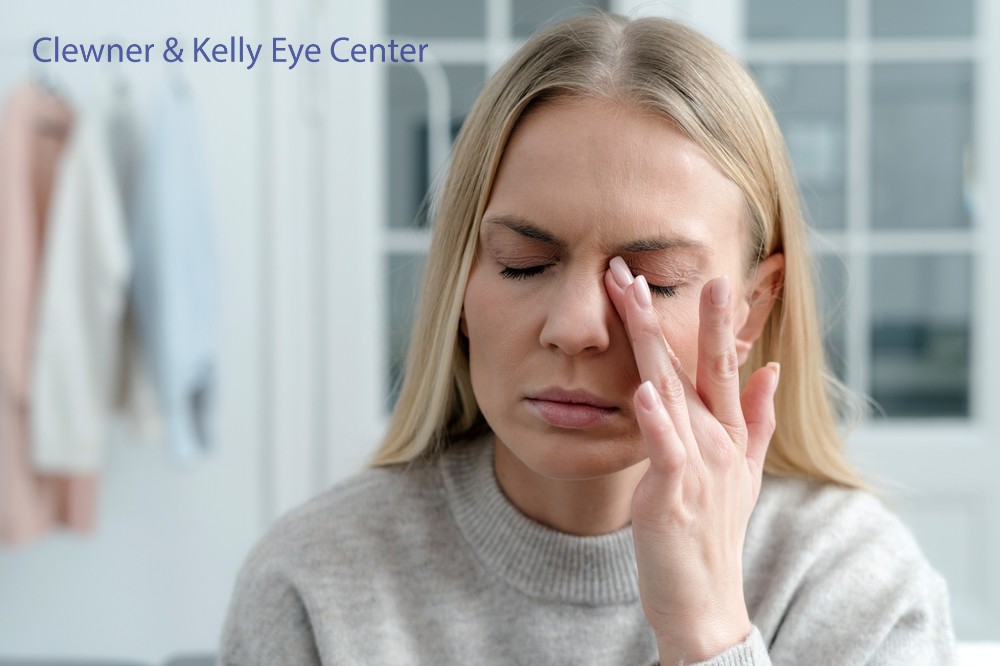
You dozed off on the couch watching TV, and now you’re squinting in the morning light with that familiar gritty, dry feeling: your contacts are still in. Most contact lens wearers have been there at least once.
While it might feel like a minor slip, sleeping in your contact lenses can cause serious problems for your eyes, some of which persist long after you take them out. Keep reading to learn more about what sleeping in your contacts actually does to your eyes and what to do if it happens to you.
What Does Sleeping in Contacts Do to Your Cornea?

Your cornea, the clear dome-shaped tissue at the front of your eye, has no blood supply of its own. Instead, it gets the oxygen it needs directly from the air, absorbed through the tear film on the surface of your eye.
When you’re awake and blinking, this process works well. When you close your eyes for hours, oxygen delivery slows significantly.
Contact lenses reduce oxygen flow to the cornea under normal circumstances. Keeping them in overnight worsens the reduction, creating a condition called corneal hypoxia.
The cornea may respond by swelling, causing blurry vision and discomfort when you wake up. Over time, repeated oxygen deprivation can cause the eye to grow new blood vessels into the cornea, a visible sign that something has gone wrong.
Why Do My Eyes Hurt After Sleeping in Contacts?
Pain and redness when you wake up are often the first signs that sleeping in your contacts caused a problem. The irritation stems from the combined effects of dry eye syndrome and reduced oxygen during the night. Your eye responds with inflammation, which shows up as redness, light sensitivity, and a burning or gritty sensation.
These symptoms should not be dismissed as normal morning grogginess. Persistent redness, discharge, or pain that does not improve after lens removal warrants a call to your eye doctor.
Can Sleeping in Contacts Cause an Eye Infection?

One of the most serious consequences of sleeping in contact lenses is infection. When lenses stay on your eye for extended periods, bacteria and other microorganisms can form a biofilm on the lens surface. With your eyes closed for hours, that environment becomes ideal for those organisms to take hold.
Contact lens wearers who sleep in their lenses are significantly more likely to develop an eye infection than those who remove them nightly. Among the external eye conditions associated with lens overuse, infectious keratitis is one of the most serious.
This is a corneal infection that can progress rapidly and, in some cases, lead to permanent vision loss. Keratitis requires prompt medical attention. It does not resolve on its own.
Can Sleeping in Contact Lenses Scratch Your Eye?
When you sleep, you stop blinking, so your tear film is not replenished. Without adequate moisture, a contact lens can dry out and adhere to the surface of your cornea. Removing a dried lens without proper lubrication can cause friction that scratches the corneal surface, leading to abrasion.
A corneal abrasion is painful on its own, but it also opens the door to more serious corneal diseases, including ulcers. A corneal ulcer is an open sore on the cornea that can deepen quickly if left untreated. If you think you may have a corneal abrasion or ulcer, contact your eye doctor right away.
What to Do If You Fall Asleep with Your Contacts In
Before you try to remove your lenses, wash and dry your hands thoroughly. Then, use rewetting drops or contact lens lubricating drops to moisten your eyes.
If the lenses feel stuck or dry, give the drops a minute to work before attempting to remove them. Never pull or tug at a dry lens, as this increases the risk of tearing the lens or scratching the cornea.
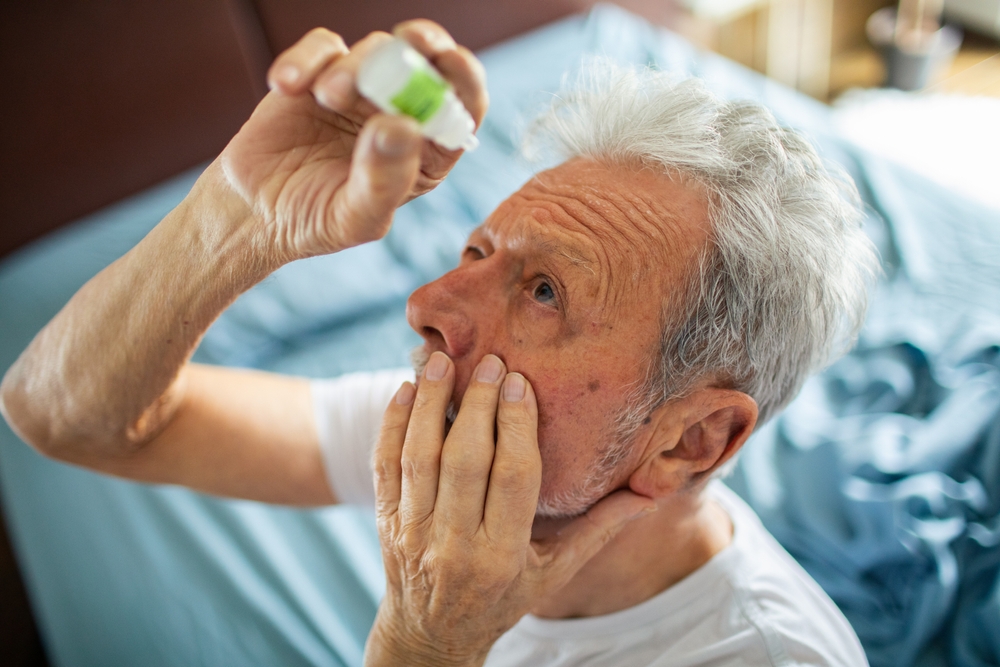
Once the lenses are out, give your eyes a break for the rest of the day. Switching to glasses for at least 24 hours after an accidental overnight wear is a reasonable precaution that gives your cornea time to recover.
Monitor your eyes throughout the day. Mild redness that clears up within an hour or two is typically not a cause for concern.
However, increasing redness, pain, light sensitivity, discharge, or vision changes are a different matter entirely. Those symptoms call for a same-day appointment with your eye doctor.
At Clewner & Kelly Eye Center, our team is experienced in evaluating contact lens-related complications and can quickly assess your corneal health. A comprehensive eye exam can confirm whether any damage occurred and guide your next steps.
Are There Contacts Made for Overnight Wear?
Most standard contact lenses are designed for daytime use only. However, there are FDA-approved lenses built for extended wear, some approved for up to seven consecutive nights, and continuous wear lenses approved for up to 30 nights.
These lenses are made from materials that allow significantly more oxygen to reach the cornea. They may be appropriate for patients with demanding schedules, certain vision conditions, or active lifestyles where nightly removal is not practical.
Protect Your Vision by Prioritizing Contact Lens Hygiene
Sleeping in contact lenses is one of the most preventable causes of serious eye problems that eye doctors see. For most patients, the answer is simple: take them out before you sleep. If your lifestyle makes that difficult, there are options worth discussing at your next visit.
Concerned about your contact lens habits or waking up with irritated eyes? Schedule an appointment at Clewner & Kelly Eye Center in Boca Raton, FL, today!