
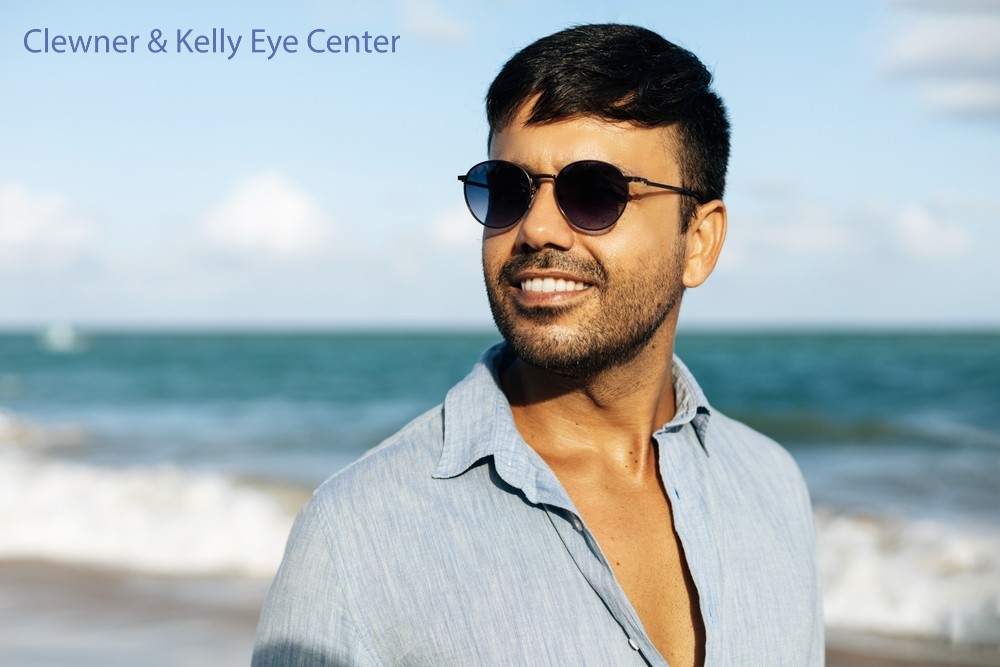
Most people who live and work in Florida are diligent about sunscreen, reapplying it before a day at the beach or an afternoon on the water. But the same people who never skip SPF often walk outside without a second thought about their eyes and the threats that UV radiation can pose to their vision.
The damage accumulates over decades, often without obvious symptoms, until it manifests as vision loss or a condition that requires treatment. Keep reading to learn more about how UV exposure affects your eyes and how you can protect them year-round.
What Does UV Light Do to Your Eyes?
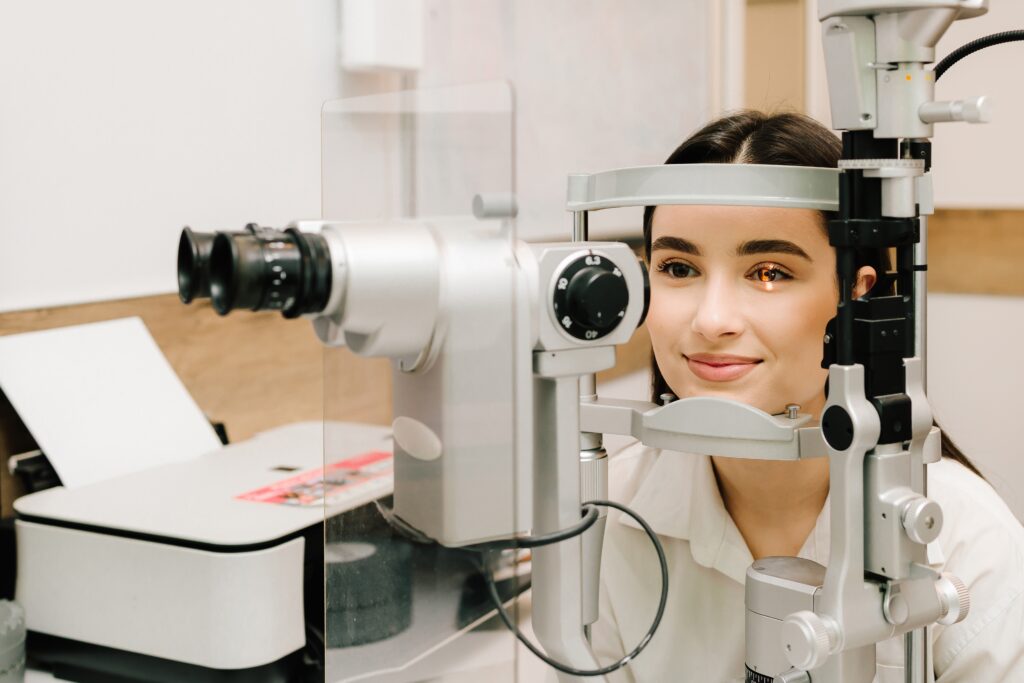
UV radiation falls into two categories that matter for eye health: UVA and UVB. UVA rays are present year-round throughout the day and can penetrate deeply into the eye, reaching the lens and retina. UVB rays are shorter in wavelength and tend to affect the eye’s surface tissues, including the cornea.
Every hour spent outdoors without eye protection adds to a lifetime total of cumulative UV damage. It does not always produce immediate symptoms. Rather, it builds over years, which is why the habits you establish now have real consequences for your vision decades down the road.
Which Eye Conditions Are Linked to UV Exposure?
Prolonged UV exposure is a known risk factor for several serious eye conditions. Cataracts are among the most common consequences of years of unprotected sun exposure. UV light modifies proteins in the lens over time, gradually producing the cloudiness that reduces clarity and color perception.
Macular degeneration is another concern. The macula, the part of the retina responsible for sharp central vision, is vulnerable to oxidative damage from UV exposure. Long-term exposure without protection increases the risk of developing this condition, which is a leading cause of vision loss in older adults.
Pterygium (sometimes called surfer’s eye) is a fleshy growth that extends from the white of the eye onto the cornea. It is directly associated with chronic UV exposure and is notably common in South Florida, where residents spend more time outdoors year-round than most of the country.
Photokeratitis is the eye equivalent of a sunburn. It can develop within just a few hours of intense UV exposure, especially near reflective surfaces such as water, sand, or pavement. Symptoms include redness, a gritty or painful sensation, excessive tearing, and extreme light sensitivity. Unlike the long-term conditions above, photokeratitis is typically temporary, but it is a clear signal that the eyes were severely overexposed.
What Should You Look for When Choosing Sunglasses?

The single most important feature on any pair of sunglasses is UV protection. Look for lenses labeled UV400 or 100% UVA/UVB protection. These ratings mean the lenses block wavelengths up to 400 nanometers, covering all UVA and UVB rays. If the label does not specify this, the sunglasses offer no reliable protection regardless of price or brand.
It’s important to note that darker lenses do not equal more UV protection. Lens tint determines how much visible light is blocked; it has nothing to do with UV-blocking capacity.
Dark lenses without UV protection can actually be more harmful than no sunglasses at all, because the pupils dilate in response to reduced visible light, allowing more UV to enter the eye. Polarized lenses reduce glare from reflective surfaces and improve comfort, but polarization alone does not filter UV radiation. Many polarized lenses include UV protection, but confirm it on the label rather than assuming.
For patients who are active outdoors, polycarbonate or Trivex lenses offer the best combination of UV protection and impact resistance. Wraparound frames provide additional coverage by minimizing UV exposure from the sides. For those who require vision correction, eyeglasses with UV-blocking lenses and prescription sunglasses are both effective options worth discussing at your next appointment.
Let Our Expert Team Help Find the Best UV Protection for Your Lifestyle
Is UV Exposure Only a Risk Outdoors?
Most people associate UV exposure with sunny days and beach trips, but the risk extends beyond those contexts. On cloudy days, UV rays still penetrate the atmosphere in significant amounts.
Reflective surfaces, including water, sand, snow, and concrete, can amplify exposure by bouncing UV light directly into the eyes. The UV index can be high even when it does not feel like a particularly sunny afternoon.
Artificial sources present their own hazards. Welding equipment, tanning beds, and certain types of industrial lighting all emit UV radiation at levels that can cause serious eye damage without the right protective gear.
Standard sunglasses are not sufficient for these environments, and specialized eye protection is required. If any of these exposures are part of your work or lifestyle, ask your eye doctor at Clewner & Kelley Eye Center about specialized eyewear options.
Do Children Need Different UV Protection?
Children face a higher UV risk than adults because the lens in a young eye is clearer, allowing significantly more UV radiation to reach the retina. Their pupils also tend to be larger, letting in more light overall. Children who wear hats with broad brims and UV400 sunglasses consistently are building habits that protect their eyes for life.
Some contact lenses offer UV-blocking properties that provide a supplemental layer of protection, though they do not replace sunglasses. Contacts only cover the area of the cornea and do not protect the surrounding eye tissue or eyelid skin. If UV protection is a priority for your contact lens prescription, that is a worthwhile conversation to have at your next fitting.
When Should You See an Eye Doctor About UV Concerns?
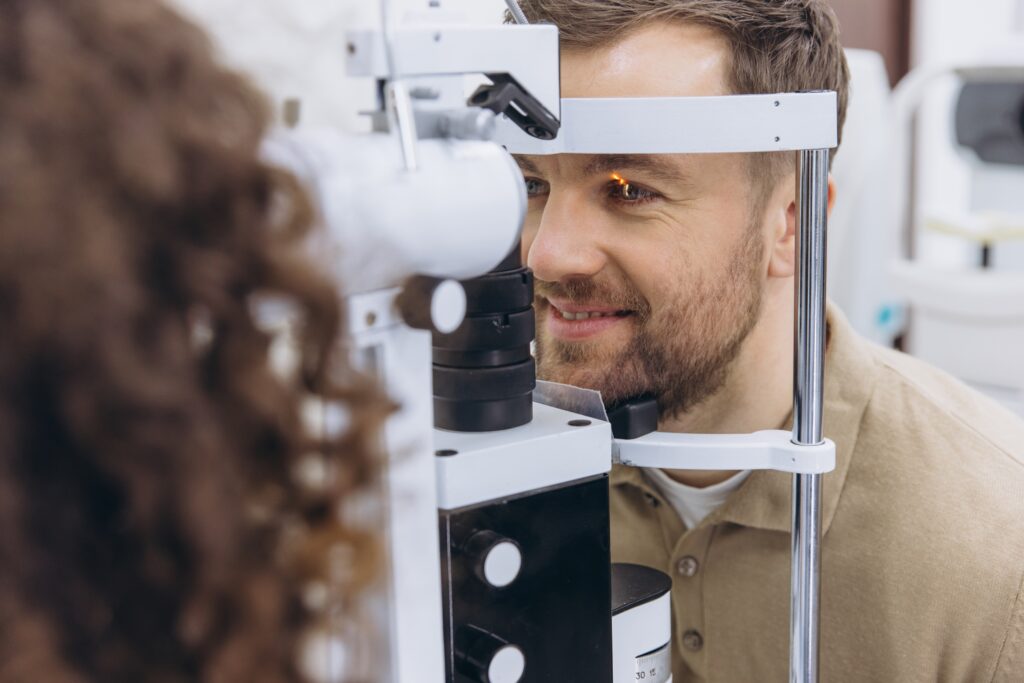
A comprehensive eye exam is the most reliable way to assess whether UV exposure has already begun to affect your eyes. The specialized team at Clewner & Kelly Eye Center can evaluate your natural lens for early cataract changes, assess the health of your macula, and examine your eye’s ocular surface for growths or irregularities associated with chronic sun exposure.
Certain medications, including some antibiotics, anti-inflammatory drugs, and birth control pills, can increase the eye’s sensitivity to UV light, making protective eyewear even more important. Annual exams give your doctor the opportunity to review your current UV protection habits, account for any medications you are taking, and make recommendations based on your specific lifestyle and risk level.
Concerned about sun damage to your eyes? Schedule an appointment at Clewner & Kelly Eye Center in Boca Raton, FL, today!