You read street signs without squinting, your phone screen looks sharp, and your eyes never hurt. For most people, that feels like a good reason to put off an eye exam. Open-angle glaucoma, the most common form of the disease, usually feels exactly like healthy vision in its early stages.
That is a big part of why so many people with glaucoma don’t know they have it. Keep reading to learn more about the early signs of glaucoma and why regular eye exams matter for protecting your sight.
What Does Glaucoma Do to Your Optic Nerve?
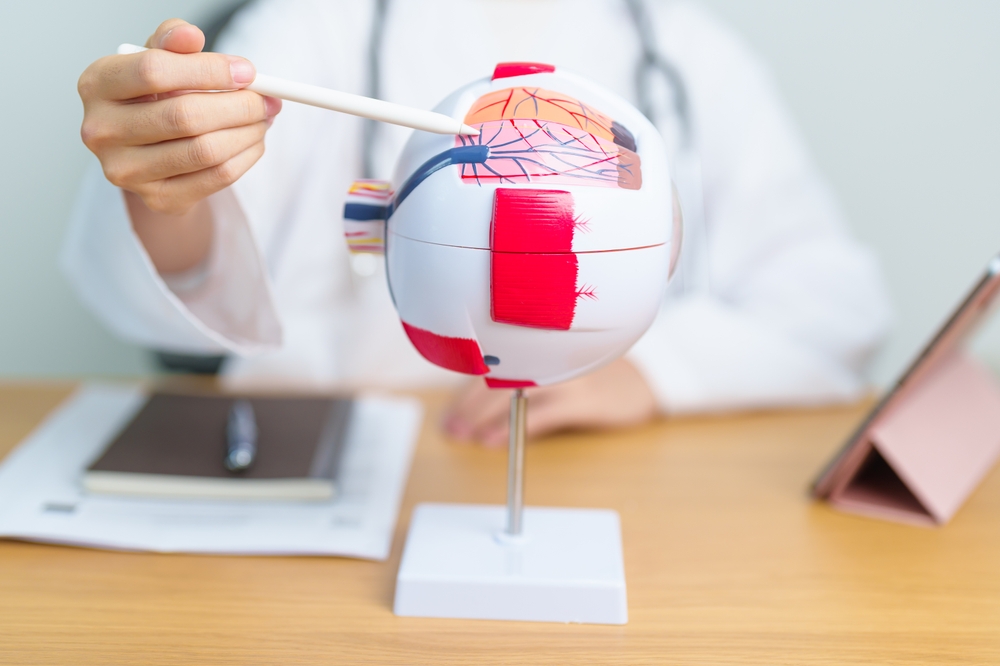
Your eye constantly produces a clear fluid called aqueous humor. This fluid normally flows in and out of the eye at a balanced rate, keeping intraocular (eye) pressure healthy. When something blocks the fluid from draining, the pressure rises. Over time, that pressure damages the optic nerve, the bundle of nerve fibers that carries visual signals from your eye to your brain.
As these fibers are lost, the optic disc (where the optic nerve meets the back of the eye) hollows into a cupped shape that doctors can see during an exam. Sight lost to glaucoma cannot be restored. Treatment can protect the vision you still have, so glaucoma diagnosis and care focus on finding the disease as early as possible.
Early Signs of Glaucoma in Its Most Common Form
In primary open-angle glaucoma (POAG), the drainage angle where the iris meets the cornea stays open. The trabecular meshwork, the eye’s network of drainage canals in that angle, becomes clogged. Pressure builds slowly, often over years, without any symptoms.
Some patients notice blind spots in their peripheral vision, but once that vision is gone, it cannot be restored. A visual field test can map these blind spots long before they affect daily life. Regular vision testing often catches glaucoma before you notice any change at all.
Sudden Symptoms That Need Immediate Care
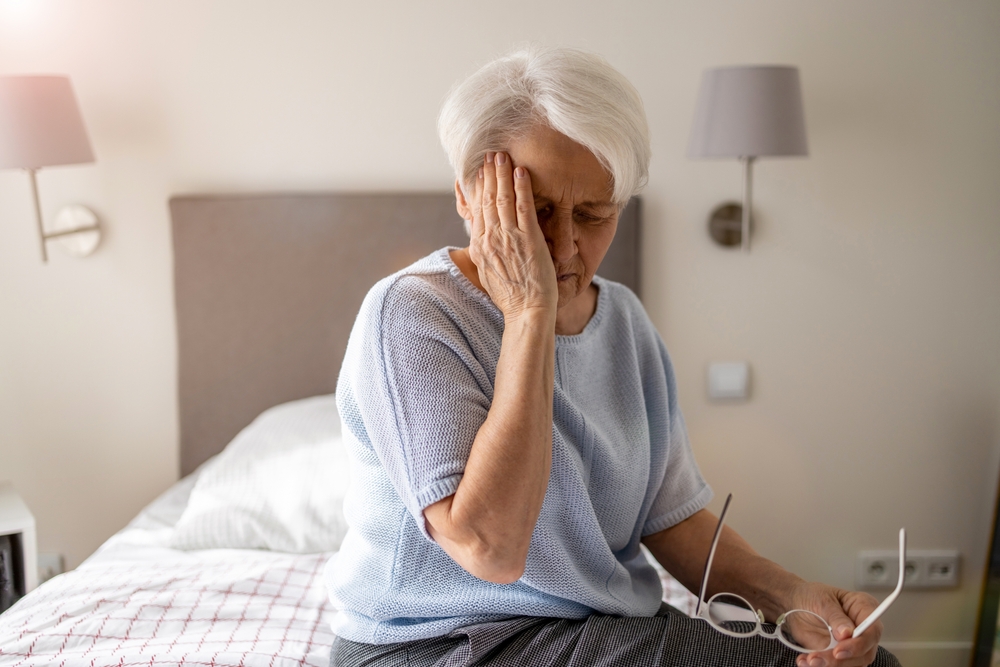
Angle-closure glaucoma is less common, and it can behave very differently. In the acute form, the iris blocks the drainage angle and eye pressure climbs quickly. Unlike open-angle glaucoma, an acute attack tends to cause symptoms that are hard to miss:
- Rainbow-colored halos around lights or unusual sensitivity to light
- Vision loss, especially when it happens suddenly, or hazy, blurred vision
- Severe eye and head pain
- Nausea or vomiting along with severe eye pain
An acute angle-closure attack is a medical emergency. If these symptoms appear, contact an eye doctor right away. For patients with narrow drainage angles, a laser peripheral iridotomy creates a tiny opening in the iris. The opening lets fluid flow more freely and lowers the risk of a future attack.
Who Faces a Higher Risk of Glaucoma?
Anyone can develop glaucoma, but certain factors raise the odds. People over 60 face a higher risk, as do people of African, Asian, or Hispanic descent and anyone with relatives who have glaucoma. A family history of glaucoma raises your risk four to nine times.
Other risk factors include being very nearsighted or farsighted, using steroid medications, having high eye pressure or a thin central cornea, and having had an eye injury. If any of these apply to you, ask your eye doctor how often you should have glaucoma testing.
Why Regular Eye Exams Matter More Than Waiting for Symptoms
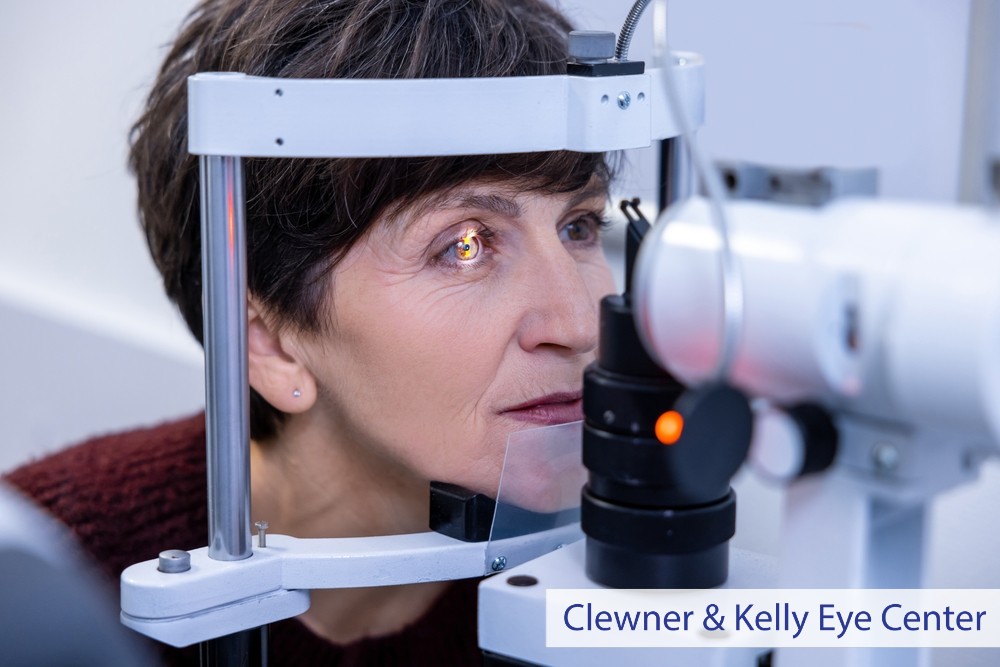
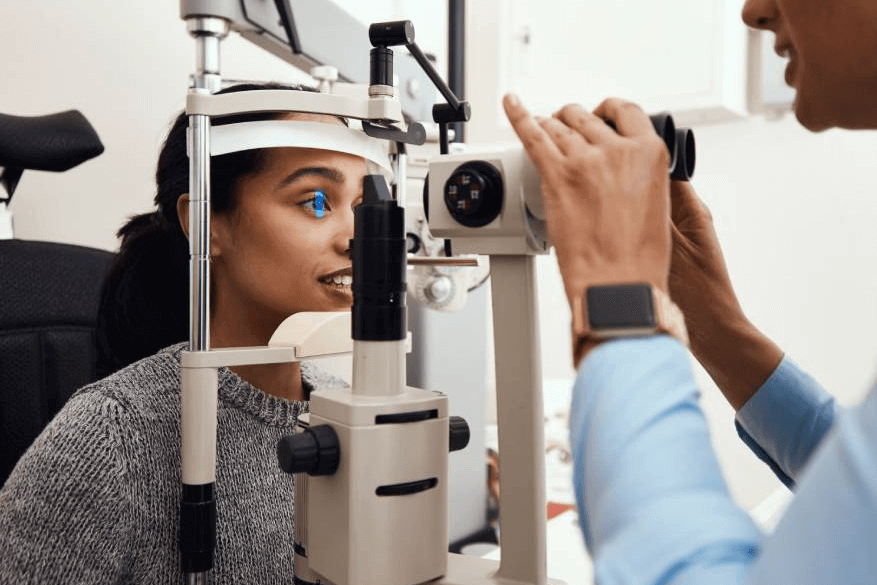
Because you can’t rely on symptoms in most cases of glaucoma, routine eye exams are the most reliable way to detect it early. Testing is quick and painless, and it checks five key aspects of your eye health.
- Tonometry measures the pressure inside your eye
- Ophthalmoscopy allows your eye doctor to examine the shape and color of your optic nerve
- Perimetry, or visual field testing, maps your side vision
- Gonioscopy uses a special hand-held lens with a mirror to check whether the angle between the iris and cornea is open or closed
- Pachymetry measures the thickness of your cornea
Many eye doctors also use optical coherence tomography (OCT), an imaging scan that directly measures the thickness of the nerve fiber layer.
A pressure check on its own does not rule out glaucoma. Some people develop glaucoma even when their eye pressure falls within the average range of 10 to 21 mm Hg. Each visit also adds to your records, and comparing results over time helps your doctor spot small changes in the optic nerve or visual field that a single visit could miss.
What Early Detection Makes Possible
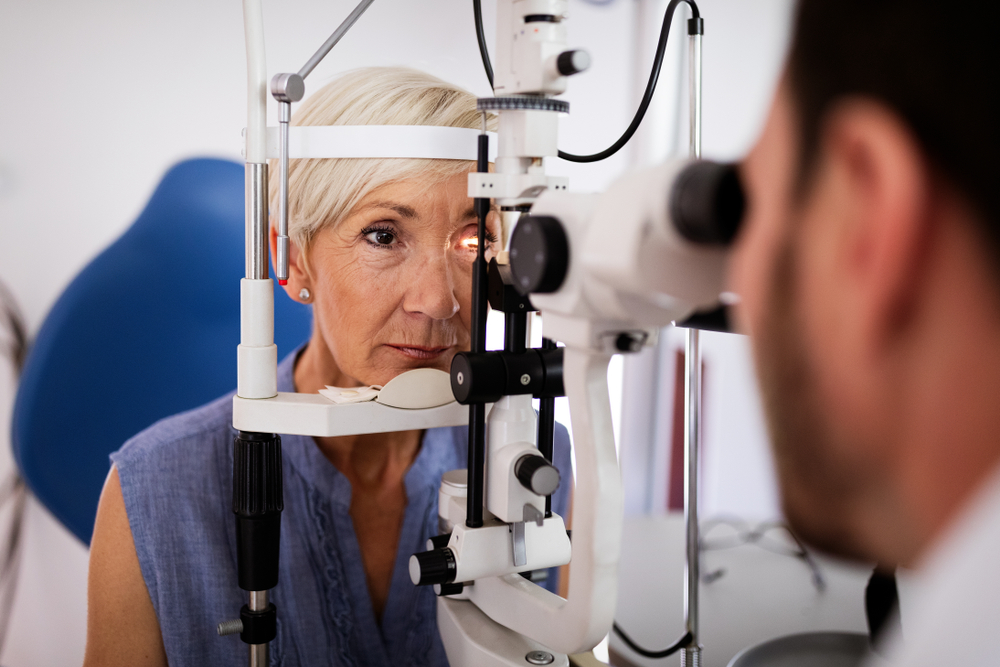
Glaucoma has no cure, but early detection and treatment can prevent significant vision loss. Clewner & Kelly Eye Center offers specialized glaucoma care led by Dr. Kelly, who completed his glaucoma fellowship at the New York Eye and Ear Infirmary. Treatment often starts with prescription eye drops or laser trabeculoplasty, which uses laser energy to improve drainage through the trabecular meshwork.
Some patients need more pressure control. For them, minimally invasive glaucoma surgery (MIGS) uses tiny devices such as the iStent to improve fluid drainage, often during cataract surgery. The earlier treatment begins, the more vision there is to protect.
In most cases, you can’t feel the early signs of glaucoma, which is why they are so easy to miss. A yearly eye exam lets your doctor check your eye pressure, optic nerve, and side vision before damage changes how you see.
Wondering if glaucoma could be affecting your sight? Schedule an appointment at Clewner & Kelly Eye Center in Boca Raton, FL.